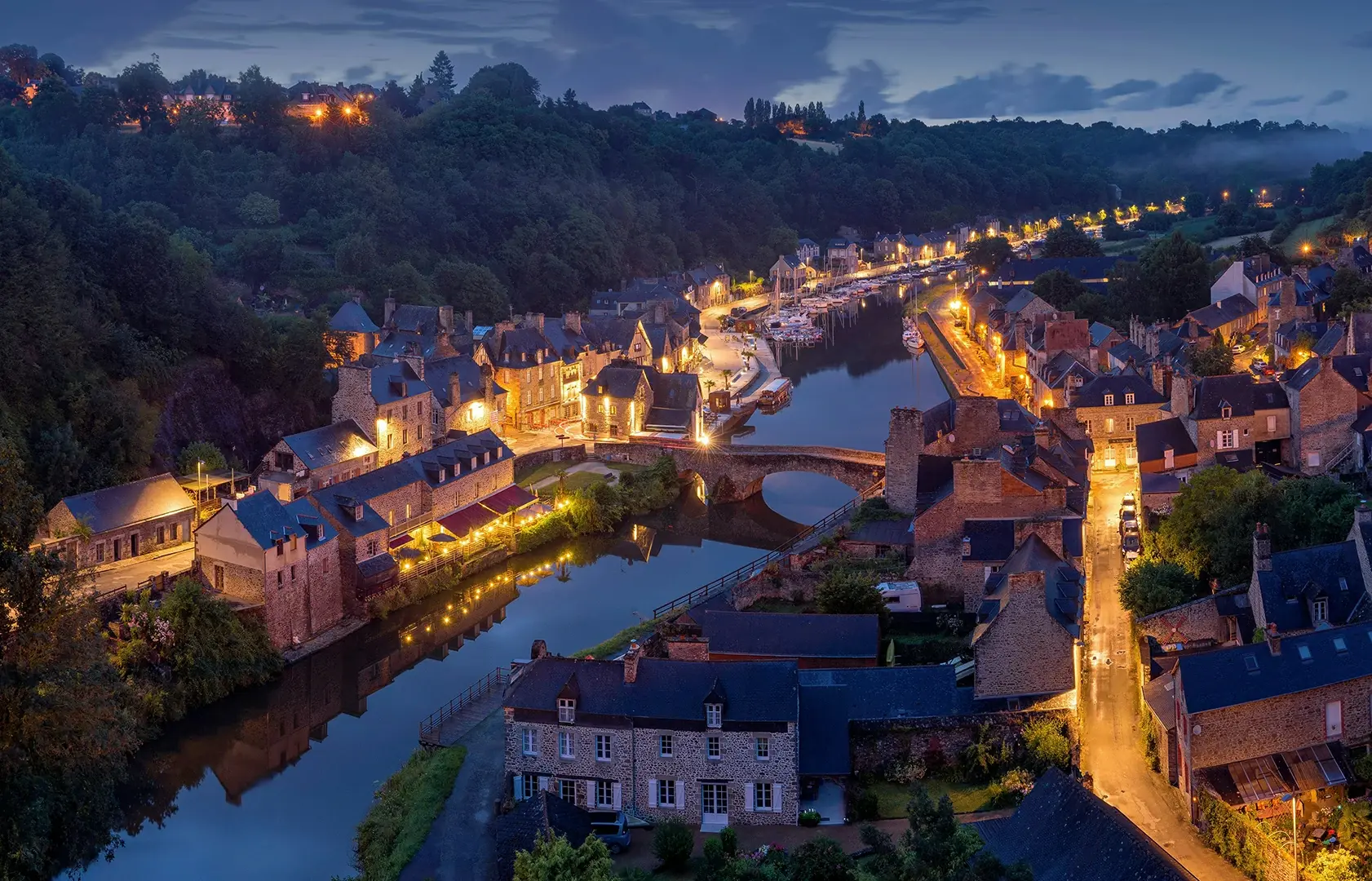



Florence, the capital of Italy’s Tuscany region, is renowned for its rich history, artistic masterpieces, and stunning architecture. Known as the birthplace of the Renaissance, Florence is a cultural treasure trove, where iconic landmarks showcase its artistic heritage. Whether you're an art lover, history enthusiast, or simply a traveller seeking beauty, Florence promises to captivate you with its timeless charm.
In this guide, we’ll take you through some of the most iconic landmarks in Florenceâ€â€each one a masterpiece in its own right. Discover the grandeur of the Duomo, explore the artistic splendour of the Uffizi Gallery, and walk across the historic Ponte Vecchio. Join us as we embark on a journey through Florence's unparalleled history and art.
The Duomo: Cathedral Of Santa Maria Del Fiore
The Duomo, or Cathedral of Santa Maria del Fiore, is the crown jewel of Florence's skyline and one of the most iconic landmarks in the world. This magnificent cathedral stands as a symbol of Florence’s architectural brilliance and is a must-see for any visitor.
The construction of the cathedral began in 1296 and took over a century to complete. Its most recognizable feature, the dome, was designed by Filippo Brunelleschi in 1436. This engineering marvel, which was the largest dome in the world at the time, still leaves visitors in awe.
Visitors can climb the 463 steps to the top of the dome for a breathtaking view of Florence’s red-roofed skyline. Inside the Duomo, you’ll be greeted by Vasari’s Last Judgment, a stunning fresco that covers the interior of the dome. The intricate artwork captures scenes of heaven and hell, making it a powerful artistic and spiritual experience.
Right next to the Duomo stands the Baptistery of San Giovanni, famous for its Gates of Paradise, a set of bronze doors created by Lorenzo Ghiberti. The doors, depicting biblical scenes, are a fine example of early Renaissance art and were praised by Michelangelo himself.

How to Get There: Piazza Del Duomo is easily accessible by bus, but for those on foot, a 15-minute walk from the station will get you there. For a more leisurely option, you can also take a bus (lines C2 and C4).
Piazza Della Signoria And Palazzo Vecchio
The bustling Piazza Della Signoria is one of the most important squares in Florence, serving as the city’s political hub for centuries. As you step into this historic piazza, you're transported back to a time of grand public gatherings, Medici power, and Renaissance artistry.

Dominating the square is Palazzo Vecchio, a fortress-like palace that has been Florence's town hall since the 14th century. The building’s imposing Arnolfo Tower offers stunning panoramic views of the city, while the interior features rooms adorned with frescoes and treasures that tell the story of Florence’s political might.
In front of the palazzo stands a replica of Michelangelo’s David, while the original statue resides in the Galleria Dell ‘Accademia. The open-air museum feel of Piazza Della Signoria continues with the Loggia Dei Lanzi, a beautiful arcade where sculptures like Cellini’s Perseus with the Head of Medusa and Giambologna’s Rape of the Sabine Women are displayed.
The Uffizi Gallery

No trip to Florence is complete without visiting the world-famous Uffizi Gallery. Housing one of the largest collections of Renaissance art, the Uffizi is a haven for art lovers from around the globe. The gallery was originally commissioned by Cosimo I de’ Medici in 1560 as government offices (the term "Uffizi" means offices in Italian) but later transformed into a museum.
The Uffizi Gallery showcases works from masters like Botticelli, Leonardo da Vinci, Michelangelo, and Caravaggio. Among its most famous pieces is Botticelli’s The Birth of Venus, which portrays the goddess Venus emerging from the sea, symbolizing beauty and love.
Visitors can explore the galleries to witness the evolution of art from the Gothic period through the height of the Renaissance. Each room unveils masterpieces that have influenced Western art for centuries.
Ponte Vecchio
The Ponte Vecchio, or “Old Bridge,†is one of the most photographed landmarks in Florence. This medieval stone bridge, which crosses the Arno River, dates back to the Roman era but was rebuilt in 1345. Unique for its shops built along the span, the Ponte Vecchio is home to jewellers, goldsmiths, and art dealers today.
Originally, the bridge housed butchers and fishmongers, but the Medici family later decreed that only jewellers could operate on the bridge to improve its prestige. During World War II, the Ponte Vecchio was the only bridge in Florence spared from destruction, making it a significant historical site.
For a unique perspective, stroll along the Vasari Corridor, an enclosed walkway that runs above the bridge. This secret passageway, built by Giorgio Vasari in 1565, allowed the Medici family to move between Palazzo Vecchio and Palazzo Pitti without mingling with the public.
The Palazzo Pitti, located across the Arno River, is one of Florence’s largest and most impressive palaces. Originally built for the banker Luca Pitti in 1458, it was later purchased by the powerful Medici family and became their primary residence. Today, the palace is home to several museums, including the Palatine Gallery, which features works by Raphael, Titian, and Rubens.

impressive palaces. Originally built for the banker Luca Pitti in 1458, it was later purchased by the powerful Medici family and became their primary residence. Today, the palace is home to several museums, including the Palatine Gallery, which features works by Raphael, Titian, and Rubens.
Behind the palace lies the Boboli Gardens, one of the finest examples of Italian Renaissance landscape design. The gardens, filled with sculptures, fountains, and manicured lawns, offer a peaceful retreat from the bustling city and provide stunning views of Florence from its many terraces.

A stroll through the Boboli Gardens allows visitors to experience the grandeur and elegance of the Medici lifestyle while appreciating the artistry of Renaissance landscape architecture.
Basilica Of Santa Croce
The Basilica of Santa Croce is a Gothic masterpiece and one of Florence’s most important churches. Known as the Temple of the Italian Glories, it is the final resting place of several prominent Italians, including Michelangelo, Galileo, Machiavelli, and Rossini.
Constructed in the 13th century, Santa Croce is adorned with beautiful frescoes by Giotto and boasts an impressive marble façade added in the 19th century. Inside, the church is home to numerous chapels, each featuring stunning works of art that depict biblical and historical scenes.
The basilica also houses a monument to Dante Alighieri, the famous poet who wrote "The Divine Comedy," although his remains are interred in Ravenna. Visiting Santa Croce is like stepping into a sanctuary of Florence’s most cherished intellectual and artistic figures.
Florence is a city where history and art blend seamlessly, offering visitors a journey through centuries of cultural achievement. From the awe-inspiring Duomo to the artistic treasures of the Uffizi Gallery, each landmark tells a story of Florence’s pivotal role in the Renaissance and its lasting influence on world culture.
Whether you're marvelling at the grandeur of Palazzo Vecchio or strolling through the Boboli Gardens, Florence’s iconic landmarks promise an unforgettable experience

So, if you're planning a trip to Italy, make sure to put Florence at the top of your list. The city’s timeless beauty, coupled with its artistic and historical significance, makes it a destination like no other.